
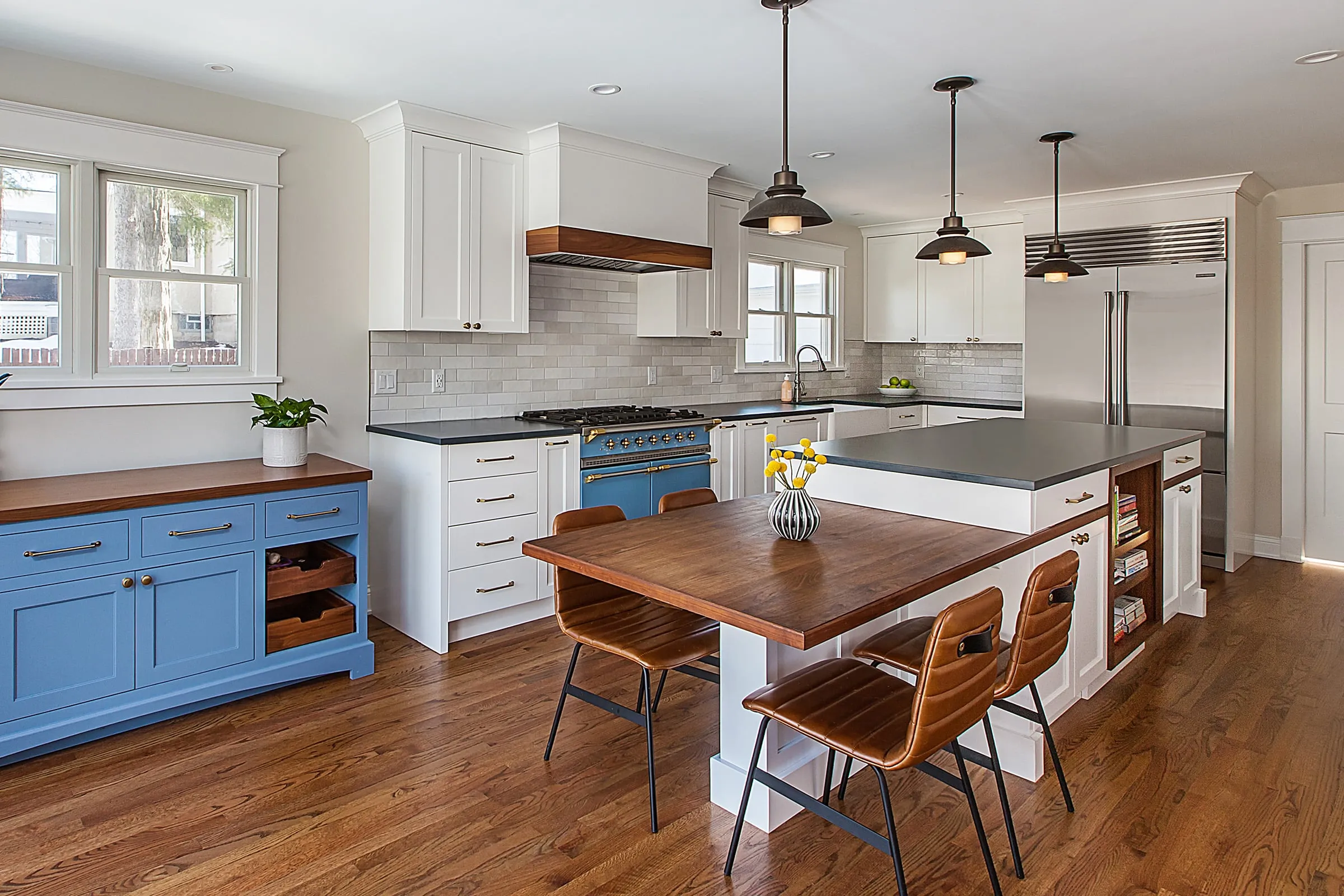
Kitchen remodel delays usually start with an unresolved dependency: a missing cabinet, an appliance that does not fit, an unanswered design question, or work that must be completed before the next trade can begin. The most useful response is to identify what is blocked, who can resolve it, and which later activities are affected.
A delayed delivery and a stalled project are not necessarily the same thing. Some work can continue while a replacement part arrives; other missing items prevent several stages from moving forward.
Understanding that difference makes kitchen remodel delays easier to discuss. Instead of accepting a vague revised completion date, homeowners can ask for a specific explanation and a workable recovery plan.
How Do Missing Cabinets Cause Kitchen Remodel Delays?
Cabinet orders contain more than the visible boxes and doors. Fillers, finished panels, trim, specialty inserts, and appliance surrounds may also be needed to complete an installation.
Kitchen remodel delays can develop when most of an order arrives but one essential component is missing. A room full of delivered cabinets does not necessarily mean the installation package is complete.
To limit kitchen remodel delays, ask which components must be available for work to proceed. Confirm who checks deliveries against the approved order and reports damage or shortages.
How to Handle Missing or Damaged Cabinets
Request a written list separating essential missing parts from items that can be installed later. A decorative trim piece may affect completion differently from a missing sink base.
For kitchen remodel delays involving cabinetry, ask for the replacement status and the next decision date. If an alternative is proposed, review its dimensions, finish, cost, and effect on surrounding work before approving it.
Why Does a New Appliance Not Fit?
A refrigerator’s advertised width does not describe every installation requirement. Door movement, handles, ventilation, adjacent panels, and connections can all affect how the selected model fits.
Kitchen remodel delays can begin when an appliance is changed after cabinet drawings are approved. Even a similar-looking model may require a different opening or utility arrangement.
To prevent kitchen remodel delays, finalize model numbers early and share the installation documents with the project team. Ask for the exact appliance schedule to be checked against cabinet plans before orders become difficult to change.
What Should Happen Before Substituting an Appliance?
Confirm the replacement model with the contractor before purchasing it. Review the complete installation requirements rather than assuming that matching the basic width is enough.
Preventing kitchen remodel delays at this stage means checking the substitution as a design change. A quick purchase can create more work if surrounding cabinetry or connections need revision.
Why Are Countertops Taking Longer Than Expected?
Countertops often involve several separate appointments: selection, measurement or templating, fabrication, delivery, and installation. The requirements for each stage should be confirmed with the fabricator.
Kitchen remodel delays occur when a homeowner treats the measurement appointment as the installation date. Another problem arises when the site is not ready for the scheduled measurement.
To avoid kitchen remodel delays, ask what must be complete beforehand and who confirms readiness. Also clarify which sink, appliance details, and finish selections the fabricator needs before production can proceed.
How Can You Prevent Countertop Hold-Ups?
Create a short readiness checklist with the contractor and fabricator. Confirm the cabinet condition, final layout, selected material, and required product information before the visit.
Where kitchen remodel delays affect countertops, request the next confirmed milestone. “The countertop is ordered” provides less useful information than knowing whether measurement, approval, fabrication, or installation is pending.
Can Hidden Damage Delay a Kitchen Remodel?
Removing old finishes may reveal conditions that were not visible during the initial walkthrough. A damaged cabinet base, an earlier leak, or an unexpected wall condition can change the work required.
Not all kitchen remodel delays caused by discoveries are avoidable. The important question is whether the project has a clear process for documenting findings and deciding what happens next.
When reviewing kitchen remodel delays, ask for photographs, an explanation of the affected area, and a proposed scope before additional work proceeds. Clarify whether the discovery changes cost, sequencing, or both.
How Should Unexpected Work Be Approved?
Separate necessary corrective work from optional improvements suggested during construction. Understand what must happen before the planned installation can continue.
Managing kitchen remodel delays requires a decision deadline as well as a price. Ask when approval is needed and what practical consequence follows if the decision remains open.
Why Do Plumbing or Electrical Changes Cause Rework?
Utility work needs to match the agreed layout and selected equipment. A connection placed for one arrangement may need revision if a sink, island, or appliance moves later.
Kitchen remodel delays can result when different trades work from different drawing versions. An earlier plan may remain on site even after the homeowner approves a change.
To reduce kitchen remodel delays, keep one current set of approved plans and a dated selection schedule. When a change is made, ask who updates the drawings and confirms that everyone affected has received them.
How Can You Reduce Coordination Mistakes?
Review appliance and fixture positions before the relevant work begins. Raise questions while locations can still be checked against the plan.
For kitchen remodel delays involving rework, ask what changed and which completed activities must be repeated. This makes the recovery discussion more precise than simply being told that another visit is required.
Can Permits and Inspections Affect the Schedule?
Some projects require approvals or inspections at particular stages. The requirements depend on the work and location, so they should be established for the actual project.
Kitchen remodel delays can occur when an inspection is needed before another activity continues but nobody has coordinated that checkpoint.
For a home in Chapel Hill, ask the contractor to explain the approval process relevant to the proposed scope. Confirm responsibility for applications, scheduling, and addressing any items identified during review.
What Should Homeowners Ask Before Construction?
Ask which milestones depend on approval and whether the schedule accounts for them. Also clarify how a revised design would affect work already reviewed.
Reducing kitchen remodel delays does not mean bypassing inspections. It means making those steps visible in the plan and communicating promptly when requirements change.
Why Do Last-Minute Design Changes Add Time?
A small-looking change can affect several connected decisions. Moving a sink may influence cabinets, countertop details, plumbing, and the amount of usable preparation space.
Kitchen remodel delays become harder to track when changes are approved informally. A conversation about a new feature may leave uncertainty about price, materials, and scheduling.
Before approving a change, request its complete effect on the project. Include replacement orders, revised drawings, repeated work, and any appointments that must be moved.
When Is a Change Still Worth Making?
A change may be worthwhile if it corrects an important daily-use problem. The decision should reflect the benefit alongside its cost and timing consequences.
Avoid judging kitchen remodel delays from the change in isolation. Ask how the revised feature affects the remaining sequence and whether a simpler alternative achieves the same goal.
Why Does Work Stop Between Trades?
A quiet site can mean different things. One crew may be waiting for a completed prerequisite, while another may be unavailable after an earlier appointment shifts.
Kitchen remodel delays are easier to manage when the contractor identifies the next required task and the condition that allows it to start.
Ask whether the gap is planned or newly introduced. Then ask what can proceed without creating access problems or requiring finished work to be disturbed later.
To manage kitchen remodel delays, a realistic schedule should explain dependencies rather than promise that every trade can work simultaneously.
Which Problems Need Immediate Decisions?
Not every unfinished item deserves the same urgency. A missing decorative accessory may be inconvenient without blocking construction, while an unresolved layout detail can stop several activities.
| Problem | What may be affected | Useful next step |
|---|---|---|
| Missing essential cabinet | Installation and later measurements | Confirm replacement or an approved alternative |
| Appliance substitution | Openings, panels, and connections | Review installation documents before purchase |
| Unapproved countertop detail | Fabrication or installation | Resolve the outstanding selection |
| Newly discovered damage | Preparation and installation | Review the documented repair scope |
| Inspection checkpoint | Work that follows approval | Confirm scheduling and responsibility |
| Late layout change | Multiple completed or planned tasks | Approve the revised scope and schedule |
Use this distinction when reviewing kitchen remodel delays. The priority is to resolve decisions that prevent the next necessary activity.
What Should a Delay Recovery Plan Include?
Start with the immediate cause, then identify the blocked task. Follow that with the responsible person, the next action, and the date when an update is expected.
A recovery plan for kitchen remodel delays should distinguish confirmed appointments from estimates. A supplier’s expected dispatch date is different from a booked installation visit.
Ask for a revised sequence showing which activities can continue and which must move. Keep a record of changes so the discussion does not restart from memory at every meeting.
How Can You Prepare Before Demolition?
Confirm the approved design, major product selections, order status, and construction scope. Discuss which materials need to be checked before the existing kitchen is removed.
Preventing kitchen remodel delays also means making homeowner decisions visible. Ask for selection deadlines so a faucet, tile, or hardware choice does not remain unresolved until installation.
Create a temporary meal-preparation arrangement and clarify when the sink, refrigerator, and cooking facilities may be unavailable. Household preparation does not accelerate construction, but it reduces disruption if the schedule changes.
Will Delays Increase the Remodeling Cost?
The financial effect depends on what caused the delay and what the agreed scope includes. Replacement work, storage, additional visits, and extended temporary arrangements may create different expenses.
For kitchen remodel delays, ask for a written explanation of any proposed additional charge. Separate the cost of a requested upgrade from costs associated with correcting an existing problem.
Review the agreement and documented changes rather than assuming that every schedule extension creates the same payment obligation.
Frequently Asked Questions
What Causes Kitchen Remodel Delays Most Often?
Potential causes include missing materials, unresolved selections, appliance changes, hidden conditions, and poorly coordinated work. The relevant cause is the one affecting your project’s next required task; there is no single explanation for every delayed kitchen.
Should Cabinets Arrive Before Demolition Starts?
Discuss this with the contractor based on the installation plan. Confirm which essential components must be received and checked before removing the existing kitchen, and understand the consequences if something is missing.
Can a Remodel Continue Without Every Appliance?
Sometimes, but it depends on what information and equipment the next stage requires. Confirm whether approved installation documents are sufficient or whether a particular appliance must be available on site.
How Can I Tell Whether a Delay Is Avoidable?
Ask when the issue became known, what action was possible, and what happened next. That timeline provides more useful context than assuming every delay reflects poor workmanship or every supply problem is unavoidable.
How Often Should I Request Schedule Updates?
Agree on a regular update rhythm and request an additional update when a major dependency changes. Each update should identify completed work, the next activity, open decisions, and any revised milestones.
Can I Buy Replacement Materials Myself?
Confirm the proposed item and purchasing responsibility first. Check dimensions, compatibility, availability, delivery, and return arrangements so an attempted shortcut does not introduce another unresolved issue.
Does a Smaller Kitchen Always Finish Faster?
No. A compact kitchen may still involve custom cabinetry, structural work, relocated utilities, and several coordinated trades. Scope and sequencing are more informative than floor area alone.
What Is the Difference Between Usable and Fully Finished?
A kitchen may reach a usable stage while minor finishing items remain. Ask the contractor to define those milestones for your project, including which appliances and facilities will be operational.
Should I Change Contractors if the Project Is Delayed?
Start by requesting a documented status report and recovery plan. Consider communication, completed work, unresolved responsibilities, and the agreement before making a decision that could create further disruption.
How Can Kitchen Remodel Delays Be Reduced?
Finalize important selections, verify product information, check essential deliveries, document changes, and resolve decisions before they block work. Keep the schedule focused on actual prerequisites rather than an unsupported completion promise.
Keep the Project Moving With Clear Decisions
Kitchen remodel delays are less confusing when each problem has an owner, a next action, and an identified effect on the schedule. Good preparation cannot remove every uncertainty, but it makes problems easier to recognize and address.
Before work begins, settle the major layout and product decisions. During construction, keep changes documented and ask for updated milestones when an essential activity moves.
For homeowners planning kitchen remodeling in Chapel Hill, Peter Thorn Builders offers custom cabinetry, layout reconfiguration, and coordinated kitchen improvements. Call (919) 619-6544 to discuss your project, priorities, and the work involved before construction begins.