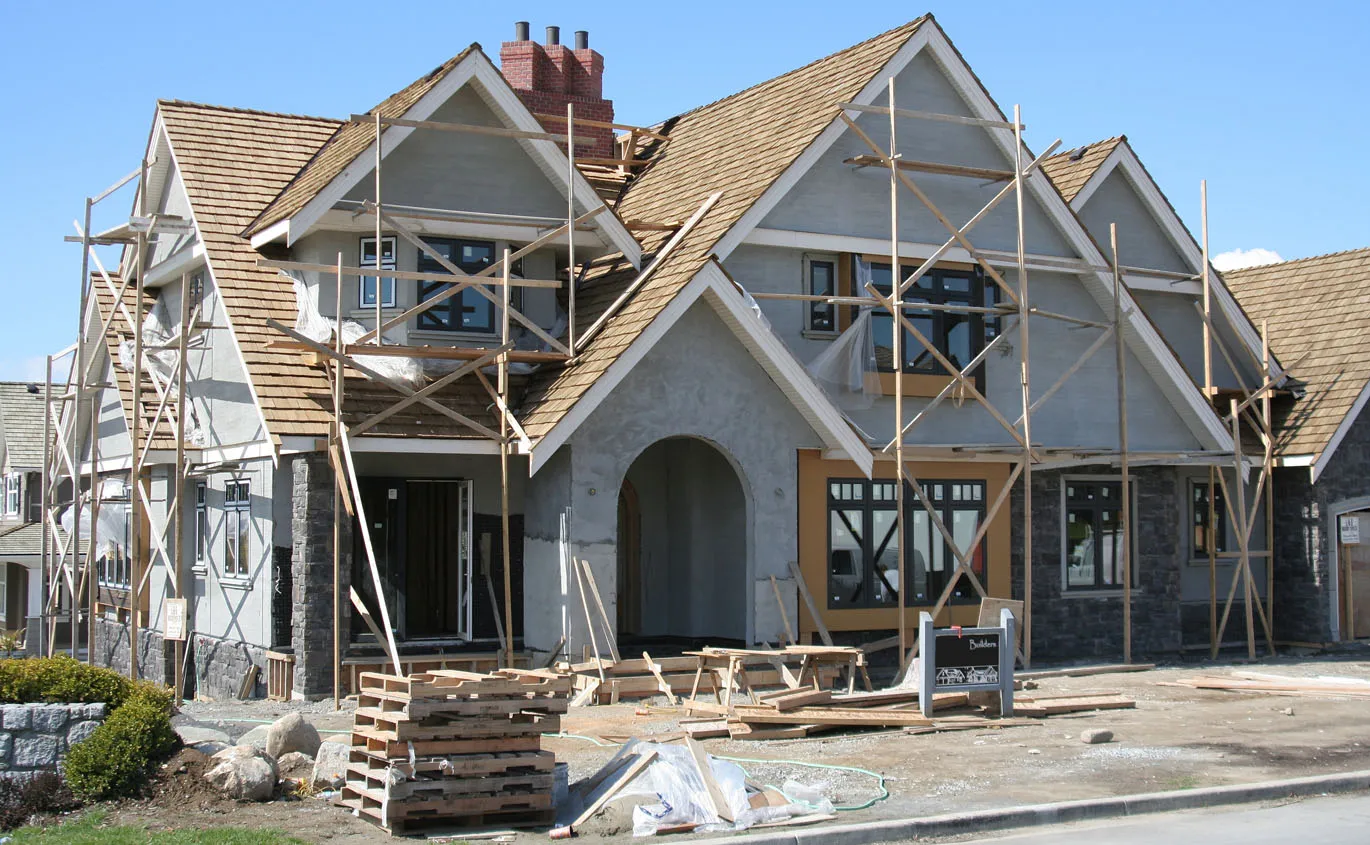
Building a new home from the ground up is one of the few chances a homeowner gets to shape every detail of where they live, rather than adapting to a house someone else designed. That freedom is exactly why the process deserves careful planning long before ground is broken. Understanding what separates a genuinely custom build from a production home helps homeowners avoid the compromises that come with rushing into the wrong construction approach.
Custom Build Versus Production or Spec Home
Many homeowners begin their search assuming all “new construction” is essentially the same, only to discover major differences once they start comparing builders. The distinction between a custom build and a production or spec home affects everything from site selection to finish quality.
| Feature | Custom New Construction | Production Home | Spec Home |
|---|---|---|---|
| Site selection | Homeowner chooses the lot | Predetermined by developer | Predetermined by builder |
| Floor plan | Fully personalized | Limited set of templates | Fixed, no changes allowed |
| Finish materials | Homeowner’s choice, artisanal options | Standard builder-grade options | Whatever the builder selected |
| Timeline flexibility | Adjusted around design decisions | Fixed production schedule | Already built, no input |
| Smart home integration | Designed into the core infrastructure | Optional add-on package | Rarely included |
| Architectural collaboration | Direct, ongoing with builder | Minimal or none | None |
The table above shows why the price difference between these approaches often surprises first-time buyers. A production home is efficient because the builder repeats the same plan across a subdivision, while a spec home is already finished and simply waiting for a buyer. A custom build trades that efficiency for complete control, and for homeowners who have a specific vision for how their home should look, feel, and function, that trade-off is almost always worth it.
Site Assessment and Engineering Come First
Every successful custom build starts long before framing, with a detailed evaluation of the land itself. Topography, soil composition, drainage patterns, and utility access all influence how a foundation is engineered, and skipping this step is one of the most common reasons custom builds run into costly surprises mid-project. A builder who properly assesses the site upfront can flag potential issues, such as poor soil bearing capacity or drainage challenges, before they become expensive change orders once construction is already underway.
This stage also determines how the home will sit on the lot. Orientation affects natural light, energy efficiency, and how outdoor living spaces relate to the surrounding landscape. Homeowners who invest time in this early planning phase consistently end up with homes that feel intentionally placed on their land, rather than simply dropped onto it.
Working With Architects Without Losing the Vision
One of the more delicate parts of custom construction is the handoff between architectural design and physical execution. Blueprints capture intent, but translating that intent into a built structure requires constant coordination between architect, builder, and homeowner. Miscommunication at this stage is where many custom projects lose the details that made the original design special in the first place.
A builder experienced in this collaboration acts as a single point of contact who protects the architect’s vision through every phase of construction, flagging conflicts between design intent and structural reality before they force compromises. This is particularly important for homes with open-concept layouts, vaulted ceilings, or expansive glass walls, all of which require precise engineering to execute without sacrificing the architectural impact they were designed to create.
Where the Details Actually Show Up
Homeowners often assume the biggest differences in a custom build happen in the big-picture decisions, like square footage or layout. In practice, the details that homeowners notice every day tend to come from smaller decisions made throughout construction.
Custom-milled hardwood flooring, handcrafted stonework, and designer kitchen finishes are the kind of details rarely found in speculative builds, simply because they require a level of coordination and craftsmanship that production timelines cannot accommodate. Smart home infrastructure is another area where the difference is significant. Homes designed with automation systems, climate control, and security built into the core wiring perform far more reliably than homes where these systems are added later as an afterthought, since retrofitting smart technology into finished walls is both more expensive and more limited in what it can accomplish.
For homeowners planning this level of build, working with a team that specializes specifically in new home construction ensures these details are planned from the earliest design conversations, rather than treated as upgrades bolted on near the end of the project.
Managing the Complexity of a Ground-Up Build
A custom home is a genuinely complex undertaking, involving zoning approvals, engineering requirements, and coordination across dozens of trades. Homeowners who try to manage this complexity without a single accountable point of contact often find themselves acting as the de facto general contractor, chasing down subcontractors and resolving conflicts between trades that should never have reached them in the first place.
A transparent, well-managed construction process removes this burden. Homeowners should expect regular updates, clear communication about how design decisions affect timeline and budget, and a builder who anticipates problems rather than reacting to them after they cause delays. This level of project management is what ultimately determines whether a custom build feels like an exciting creative process or an exhausting one.
Questions Homeowners Commonly Ask Before Building
How long does a custom new home construction project typically take? Timelines vary significantly based on size, site conditions, and design complexity, but homeowners should expect the process, from site preparation through final walkthrough, to take considerably longer than a production home due to the level of customization involved.
Can design changes be made once construction has started? Yes, though changes become more limited and costly the further along construction progresses. This is why thorough planning during the design phase matters so much, since it reduces the need for changes once the build is underway.
Is a custom home more expensive to maintain than a production home? Not necessarily. Custom builds often use higher-quality materials and more precise construction methods, which can reduce long-term maintenance costs compared to homes built to minimum production standards.
What should homeowners look for in a custom home builder? Experience with the specific scale and complexity of the project, a transparent communication process, and a portfolio of completed homes that reflect the craftsmanship level the homeowner expects are the most important factors to evaluate.
Building a Home That Reflects How You Actually Live
The real value of a custom new home construction project is not simply owning a brand-new house, it is owning one built specifically around how a family actually lives, entertains, and moves through their daily routine. That level of personalization is simply not available through production or spec home options, no matter how well-built those alternatives might be.
Homeowners who take the planning phase seriously, from site assessment through architectural collaboration, consistently end up with homes that feel less like a purchase and more like a reflection of their own priorities. For families in Chapel Hill and the surrounding North Carolina area planning this kind of project, Peter Thorn Builders brings the project management experience and craftsmanship needed to carry that vision from the first site visit through the final walkthrough.